For decades, rain has been the weather event that outdoor organizers feared most. County fairs, music festivals, rodeos, sporting events, and community celebrations have relied on Rain Insurance to protect their financial investment when wet weather keeps attendees at home.
But today’s weather risks have changed.
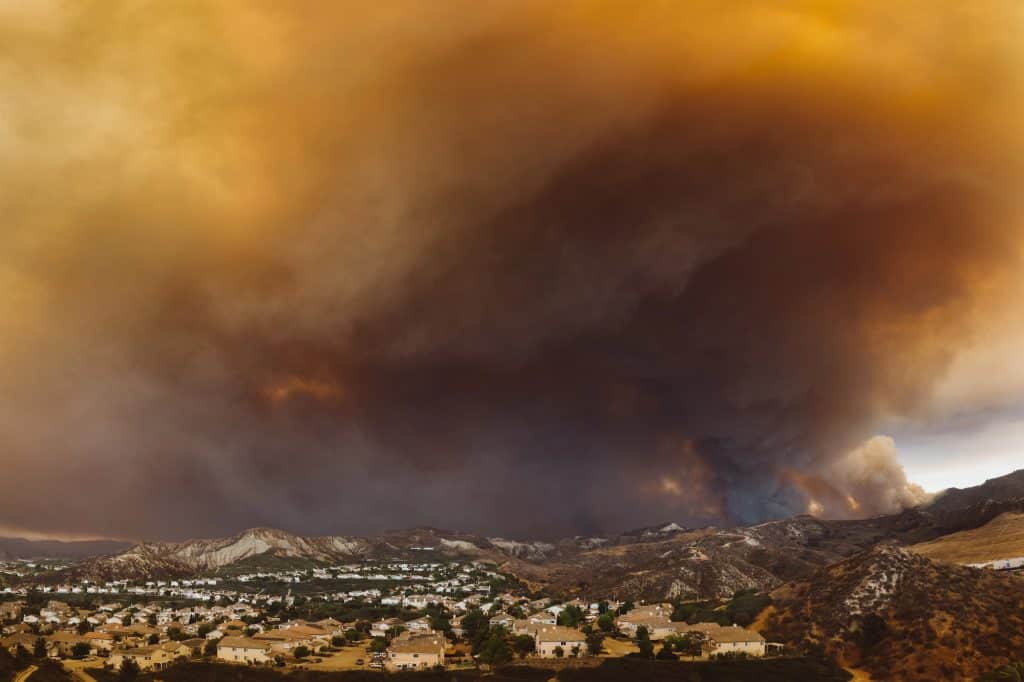
In recent years, wildfire smoke has emerged as one of the biggest threats to outdoor events. Even when wildfires are hundreds of miles away, smoke can create hazardous air quality that forces organizers to postpone or cancel events to protect attendees, performers, volunteers, and staff.
The summer of 2026 provided two high-profile examples that demonstrate why event organizers should consider whether Event Cancellation Insurance may be a better fit than traditional rain insurance.
Recent Wildfire Smoke Cancellations
Last week, in July 2026, Sebastian Bach’s concert at the Waukesha County Fair in Wisconsin was canceled after air quality deteriorated because of wildfire smoke. Although there was no severe weather or heavy rain, unhealthy air conditions made it unsafe for an outdoor concert to proceed.
That weekend, organizers of the 46th Annual Ely Blueberry Art Festival in Ely, Minnesota, made the difficult decision to cancel one of the region’s premier summer events. The festival, which typically attracts 30,000 to 40,000 visitors, was canceled because of nearby wildfires, hazardous air quality, evacuation concerns, and the demands placed on local emergency responders.
These were not isolated incidents. Throughout Minnesota and Wisconsin, numerous outdoor concerts, sporting events, youth activities, and community celebrations were postponed or canceled due to poor air quality from wildfire smoke.
For event organizers, these situations raise an important question:
If your event had been canceled because of wildfire smoke instead of rain, would your current insurance have responded?
What Rain Insurance Covers
Rain Insurance remains one of the best tools available for protecting an outdoor event against measurable rainfall.
These policies generally pay when rainfall reaches a specified threshold during the insured period, helping offset lost revenue or financial losses caused by rain’s impact on walk-up ticket sales and food & beverage sales.
For many events, rain is still the single greatest weather-related concern.
However, rain insurance is designed specifically for rainfall. If your event is canceled because of smoke, unhealthy air quality, high winds, lightning, or another weather- or non-weather-related hazard that doesn’t involve measurable rainfall, a traditional rain policy generally will not provide coverage.
Why Event Cancellation Insurance May Be Worth Considering
For outdoor events with significant financial exposure, Event Cancellation Insurance often provides a broader solution.
Many Event Cancellation policies are written on an “All Cause” basis. Rather than protecting against only one weather trigger, these policies are designed to respond to cancellations, postponements, interruptions, or relocations resulting from causes that are not specifically excluded by the policy.
Depending on the policy language, this broader protection may include situations such as:
- Wildfire smoke and hazardous air quality
- Severe thunderstorms
- High winds
- Lightning
- Power outage
- Heavy rainfall during the days prior to or the morning of an event
- Other unexpected circumstances that make it unsafe or impossible to hold an event
Every policy is different, so organizers should carefully review the policy terms, conditions, exclusions, and coverage triggers before purchasing coverage. Not sure if something is covered? Ask your broker.
When Does Event Cancellation Insurance Make Sense?
Not every event needs Event Cancellation Insurance.
However, if your event has $50,000 or more in financial exposure, it is worth evaluating whether broader protection is appropriate.
Financial exposure may include:
- Ticket sales
- Sponsorship revenue
- Vendor fees
- Concession income
- Parking revenue
- Entertainment expenses
- Equipment rentals
- Advertising and marketing costs
- Other non-refundable event expenses
The larger the financial investment, the greater the potential impact of an unexpected cancellation.
Weather Risks Continue to Evolve
Just a few years ago, many event organizers never considered wildfire smoke a serious threat.
Today, it has become a recurring issue across much of North America. Even communities located far from active wildfires can experience dangerous air quality as smoke travels hundreds of miles on prevailing winds.
As weather risks continue to evolve, insurance planning should evolve as well.
Choosing between Rain Insurance and Event Cancellation Insurance should no longer be based solely on the chance of rain. Organizers should also consider the broader range of weather-related risks that could prevent their event from taking place.
Protect the Investment You’ve Worked So Hard to Build
Planning a successful outdoor event takes months of preparation, countless volunteer hours, and a significant financial commitment.
Before your next event, ask yourself one simple question:
If wildfire smoke—not rain—forced us to cancel tomorrow, would our insurance protect our financial investment?
For many events, traditional Rain Insurance remains the right solution. For others, Event Cancellation Insurance may provide broader protection and greater peace of mind.
At Spectrum Weather & Specialty Insurance, we help organizers compare both options and determine which type of coverage best fits the unique risks facing their event.
The weather is changing. Your weather risk management strategy should change with it.