Snowfall Insurance | Coverage for Too Much or Too Little Snow
When your revenue or expenses rise and fall with the snow, one unusual winter can throw off the whole year. Snowfall insurance from Spectrum Weather Insurance is a cost containment and revenue stabilization policy that pays a claim when snowfall does, or doesn’t, reach an agreed-upon threshold. Whether you’re worried about a winter with almost no snow or a season of back-to-back storms, we can design a policy around your risk.
Protect Your Budget From Mild Winters and Record Snow
Snow is hard to budget for. A snow removal contractor on per-push accounts can lose most of a season’s income when the storms never come. A city, school district, or property manager can blow through a winter budget when they do. Snowfall insurance addresses either side of that risk, so you can plan for an average winter and have protection if the season ends up being far from average.
Snowfall insurance is a weather-triggered financial product. It responds to measured snowfall at a defined location over a defined period, not to physical damage. That makes it a different tool from your liability or property coverage, and a useful addition to a broader weather insurance strategy.
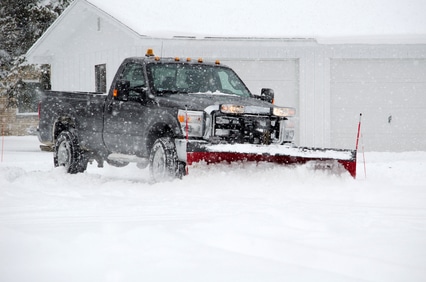
Call us Today to Discuss Your Snowfall Insurance Options
816-810-2346
Snowfall Insurance Coverage Options
Cumulative Snow Coverage
Cumulative snow coverage pays a claim if a specific amount of snow occurs, or fails to occur, over a specific time period. Policies can be written to pay for excess snow accumulation or for a lack of snow accumulation over the timeframe you choose.
Snow Event Coverage
Snow event coverage pays a claim based on the number of snowfall events (storms) that occur over a specific time period. If too many storms hit, or too few storms occur, a policy can be structured to pay that claim.
Custom Weather Coverage
Every operation is different, so we’ll work with you to design a policy for your unique requirements. That can include extreme snow events, freeze, heat, excess rain, drought, and wind. If temperature or rainfall drive your costs too, ask about heat index insurance and rain insurance.
Call us Today to Discuss Your Snowfall Insurance Options
816-810-2346
How a Snowfall Insurance Policy Works
- Choose your coverage period. Pick the dates that matter most to your budget, such as a full plowing season or your peak winter months.
- Pick your trigger. Decide whether the policy is based on total snow accumulation or the number of snowfall events.
- Set your threshold and limit. Choose the snowfall level that would hurt your business and the amount of coverage you need.
- Snowfall is measured. Snowfall is measured using the weather data source agreed to when your policy is written.
- A claim is paid if the threshold is met. If measured snowfall reaches the agreed trigger, the policy pays according to its terms.
Illustrative example only: a contractor with mostly per-push accounts might insure against a season with less than a set amount of total snowfall. If the winter comes in below that threshold, the policy pays a claim to help replace the plowing revenue that never came. Actual thresholds, limits, and coverage periods are set in each policy.
Too Little Snow: Revenue Protection
A quiet winter is great for commuters and rough on anyone paid by the push. If most of your contracts are pay-per-push or time-and-materials, a policy that pays based on a lack of snowfall can help stabilize your income in a mild season. Snow removal contractors can learn more on our snow removal insurance page, which covers “no snow” coverage built for plowing businesses.
Too Much Snow: Cost Containment
A record winter brings overtime, fuel, materials, subcontractors, and equipment wear. Snowfall insurance for cost containment, often called simply “snow insurance,” helps protect snow-sensitive cash flow from an excess of snowfall. It’s a strong fit for organizations with fixed winter budgets or fixed-price seasonal contracts, where every extra storm comes straight out of the bottom line.
Who Uses Snowfall Insurance
Snowfall insurance can help any organization with revenues or expenses that fluctuate with snowfall, including:
- Snow contractors and snow removal companies
- Property managers
- Condo and homeowners associations
- Municipalities
- Retail property owners
- Airports
- School districts
- Colleges and universities
- Real estate investment trusts
Not sure where your organization fits? Contact Spectrum Weather Insurance and we’ll help you identify the snowfall risk that matters most.
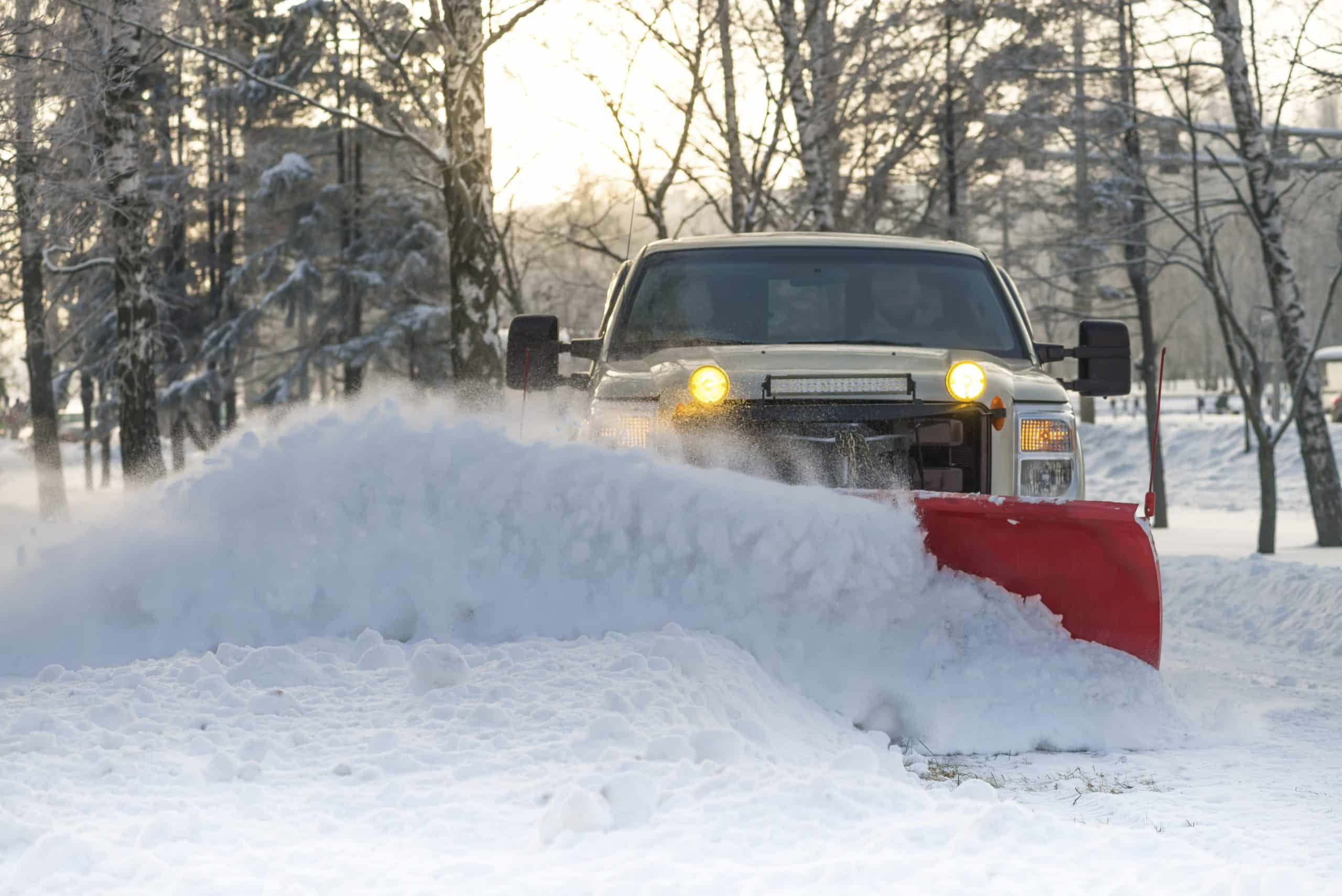
Why Work With Spectrum Weather Insurance
Spectrum Weather Insurance specializes in weather-based coverage, and we offer competitive rates from multiple carriers. Instead of a one-size-fits-all policy, we help you match coverage periods, triggers, and limits to the way snow actually affects your budget. See who we work with on our customers page, or read what clients say in our testimonials.