Every fall, city and county finance teams set aside a snow and ice budget based on an “average” winter. Then the actual winter shows up. One season of back-to-back storms can wipe out that line item by February and leave public works pulling money from other projects to keep the roads open. Snowfall insurance gives municipalities a way to plan for a normal winter while protecting the budget if the season turns out far from normal.
Why Snow Budgets Are So Hard to Get Right
Most municipal costs are fairly predictable from year to year. Snow is not. A snow and ice budget has to cover costs that grow with every storm:
- Overtime for plow drivers and public works crews
- Salt, brine, and other deicing materials
- Fuel and equipment wear
- Outside contractors hired when in-house crews can’t keep up
Budget too high and you’ve tied up money you could have spent elsewhere. Budget too low and a heavy winter forces mid-year transfers, deferred projects, or emergency spending. Snowfall insurance lets a municipality set a realistic budget and transfer the risk of an extreme season to an insurer.
Click Here to Learn More About Our Snowfall Insurance
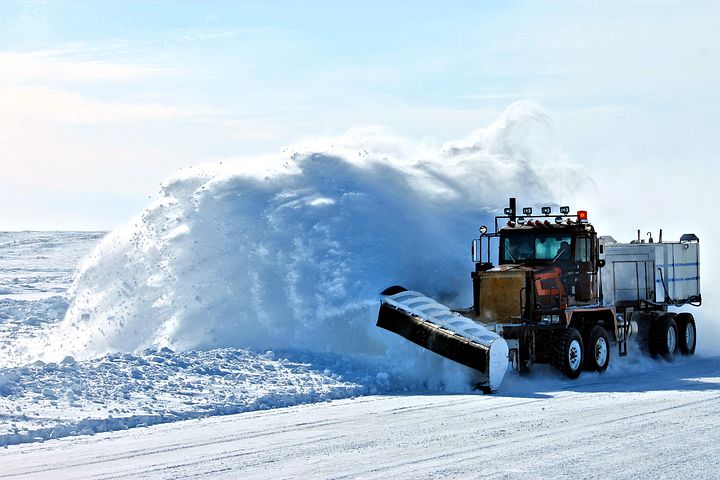 How Snowfall Insurance Works for a City or County
Snowfall insurance is a weather-triggered financial product. It does not pay for physical damage. It pays a claim when measured snowfall at an agreed location reaches an agreed threshold during the coverage period. For a municipality, the most common structure is excess snow coverage, also called cost containment, which pays when the season brings more snow than the budget was built to handle.
Every policy is built from a few core decisions:
- Coverage period: A full season, a single month, or the first or last half of winter. The dates don’t have to start or end on the first of the month.
- Trigger type: Total snow accumulation over the period (cumulative snow coverage) or the number of snowfall events (snow event coverage).
- Threshold: The snowfall level at which your budget starts to break.
- Limits: A per-inch or per-event amount used to calculate the claim, plus an aggregate maximum.
Match the Coverage Period to Your Budget Cycle
Here’s where municipal buyers differ from private contractors. Many cities and counties run on a fiscal year that doesn’t line up with a single winter. A July–June fiscal year, for example, captures one full winter. A calendar-year budget splits each winter in two, so January–April snow and November–December snow land in different budget years.
Because coverage periods are flexible, a policy can be written to match the snow months that actually hit a given budget year, not just a generic “winter season.” Have that conversation early. It’s one of the easiest ways to make sure a claim lands in the same budget the extra spending came out of.
Choosing Where Snowfall Is Measured
Snowfall can vary a lot across one metro area, so the measurement location matters. Policies are typically settled using one of three sources:
- National Weather Service first-order stations, mostly at major airports
- National Weather Service cooperative network stations, staffed by volunteers with one observation per day
- A location-specific report from a third-party provider, with the cost of that report paid by the insured
For a city that maintains roads across a wide area, the goal is a station whose snowfall tracks closely with what your crews actually plow. Spectrum’s team, led by president and meteorologist Robert Holmes, can help you compare options before you choose.
Setting a Threshold That Fits Your Budget
The closer your threshold is to an average winter, the more likely the policy is to pay, and the higher the premium. Many municipalities start with a simple question: at what seasonal snowfall total does our budget run out? A threshold set at or a little above that point protects against the winters that really hurt without paying for coverage on ordinary seasons.
Pricing is based on historical weather data for your location and coverage period, so a quote can show several threshold and limit options side by side. That makes it easier to bring a clear recommendation to a council or board.
When to Start the Conversation
Ideally, get quotes while the snow budget is being built, so the premium can be included as a line item instead of added later. Coverage can also be bought during the season as long as it’s secured at least 10 days before the coverage period begins. If your winter is already underway, read It’s Not Too Late to Invest in Snowfall Insurance.
Keep in mind that claims are paid after the coverage period ends, so snowfall insurance supports the budget over the season. It isn’t an emergency fund for the night of a storm.
Talk to a Weather Insurance Specialist
Spectrum Weather Insurance specializes in weather-based coverage and works with multiple carriers, so you can compare structures and pricing in one conversation. Call us at 816-810-2346, email team@spectrumwx.com, or request a snowfall insurance quote to see what municipal snow budget protection could look like for your city or county.